Turnitin AI Checks: How to Spot Scams and Keep Your Paper Safe

Generative AI tools like ChatGPT and Claude are changing how we write. But with great power comes great scrutiny. To keep academic integrity intact, universities worldwide are mandating Turnitin AI detection for assignments and theses. Here's the catch: Turnitin doesn't let students check their own work officially.
This gap has created a booming market for third-party testing services. You've probably seen names like turndetect or DocxDetector floating around. While everyone wants a green light on their AI score, few students stop to think about the security risks. What should you watch out for when using third-party Turnitin AI checks? Let's break down the risks and how to protect yourself.
1. Where Do These Third-Party Channels Come From?
Since you can't just buy a Turnitin account off the shelf, you might wonder how these websites get access. Knowing the source is the first step in judging safety. Generally, there are two types:
The Risky Route: Leaked Instructor Accounts
Some platforms (often variations of services like turndetect) operate on shaky ground. Industry insiders suggest these accounts are sometimes stolen or leaked from teachers and administrators.
The Danger: These accounts are unstable. If Turnitin spots weird traffic, they ban the account immediately. Worse, your paper might get saved in Turnitin's global database. When you submit your final work to your school later, it could flag as 100% plagiarized because it matches the copy you uploaded to the third-party site.
The Safer Route: Institutional Partners
Other platforms (like DocxDetector) claim to have formal partnerships with schools or agencies.
The Upside: These usually have legitimate authorization. The process is closer to the official standard, accounts are stable, and they often promise No Repository (meaning they don't save your paper).
The Catch: Even with partners, you need to verify they actually have the "No Repository" setting enabled. Don't just take their word for it.
2. Watch Out for Fake Reports
The biggest headache students face is paying for a check and getting a fake report back.
Why Are There Fakes?
Turnitin has tightened its security significantly (especially observed between 2024-2025). Many违规 (violating) third-party accounts are getting banned, driving up the cost of real checks. To keep prices low and profits high, some shady sellers cut corners:
The Switch: Your paper never actually goes to Turnitin.
The Forge: They run your text through free tools like ZeroGPT or Quillbot, then photoshop or code a report that looks like Turnitin.
How to Spot a Fake
Don't get fooled by a pretty PDF. Check these details:
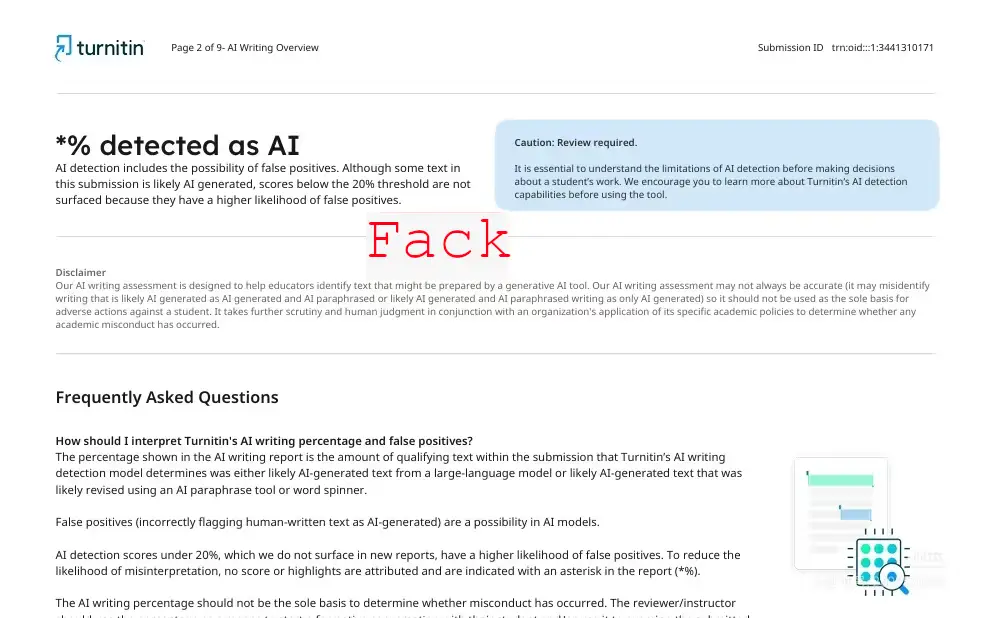
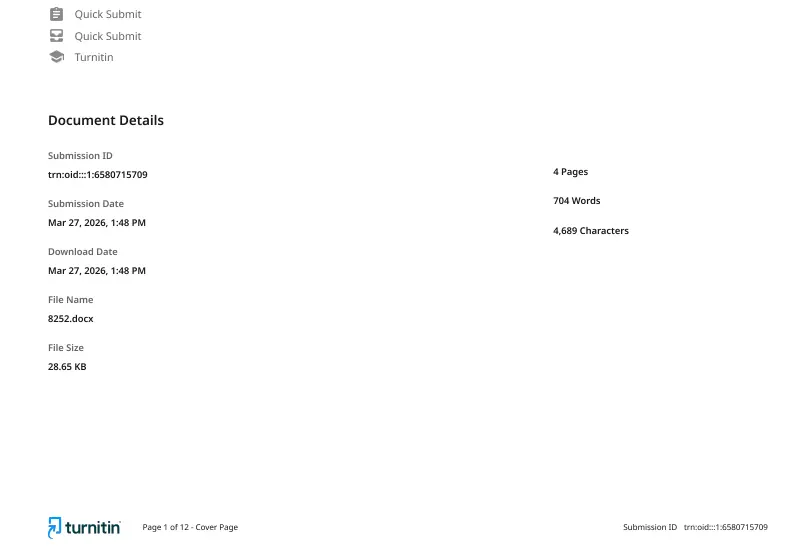
Submission ID: A real report always has a unique Submission ID in the top right corner. No ID, no deal.
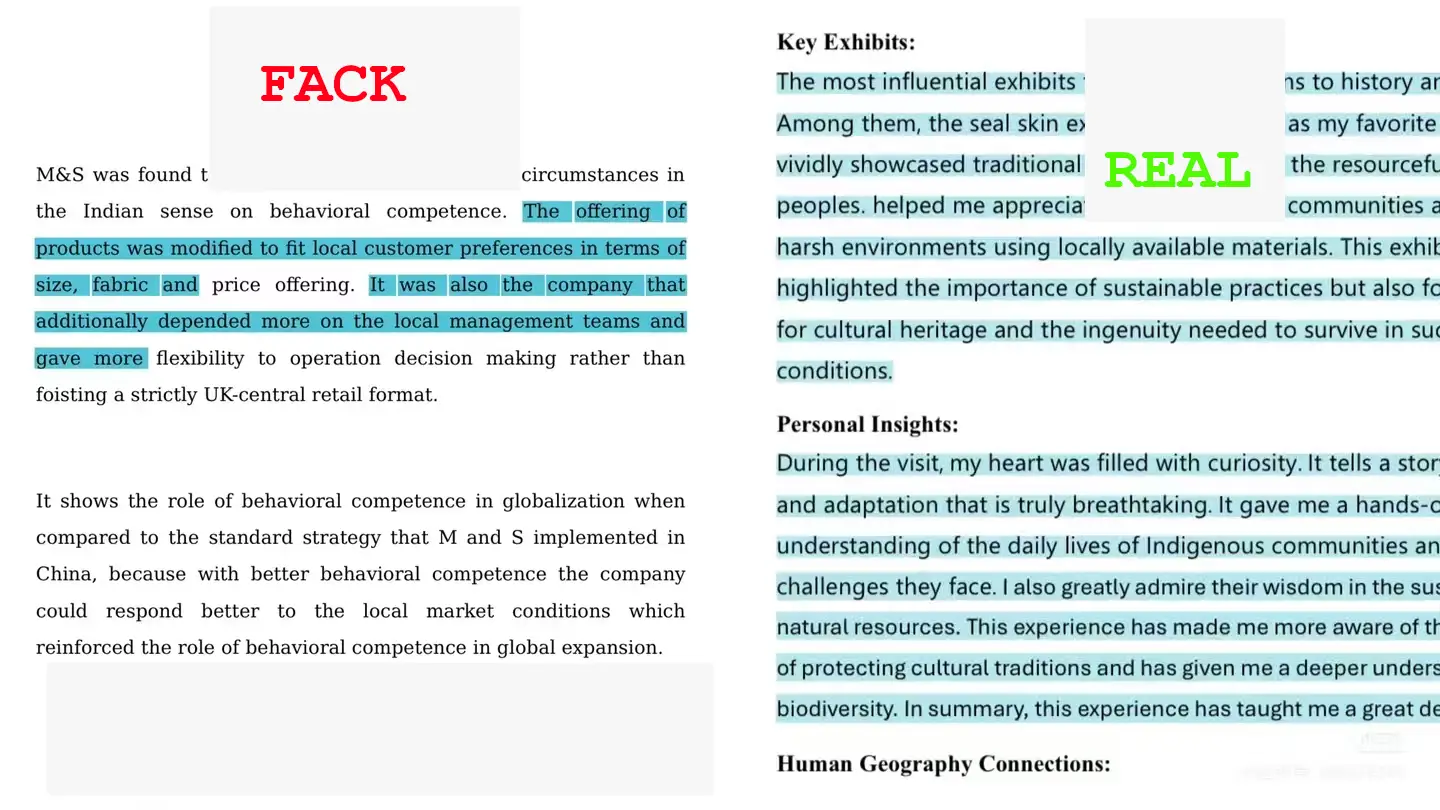
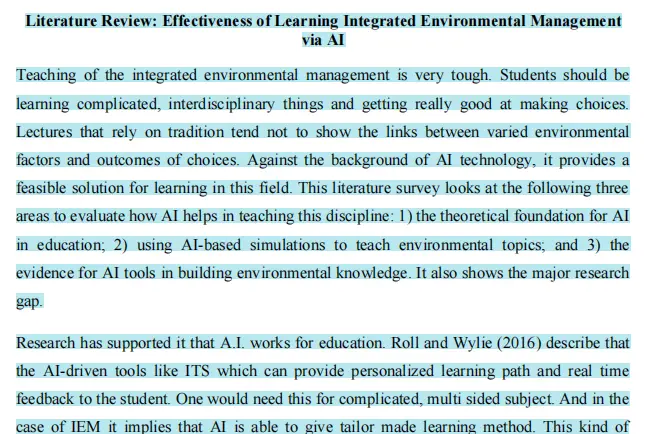
The Details: Look closely at the formatting. Logos might be blurry, or fonts slightly off. Real Turnitin AI reports show specific highlighting on the text where AI was detected, not just a single percentage number.
The Price: If it's suspiciously cheap and they promise "100% Pass," run. Real checks cost money. Too good to be true usually means it's a forgery.
some examples of genuine and fake reports
Comparison showing formatting discrepancies.

Example of how genuine Turnitin reports highlight specific AI-generated sentences rather than whole paragraphs.
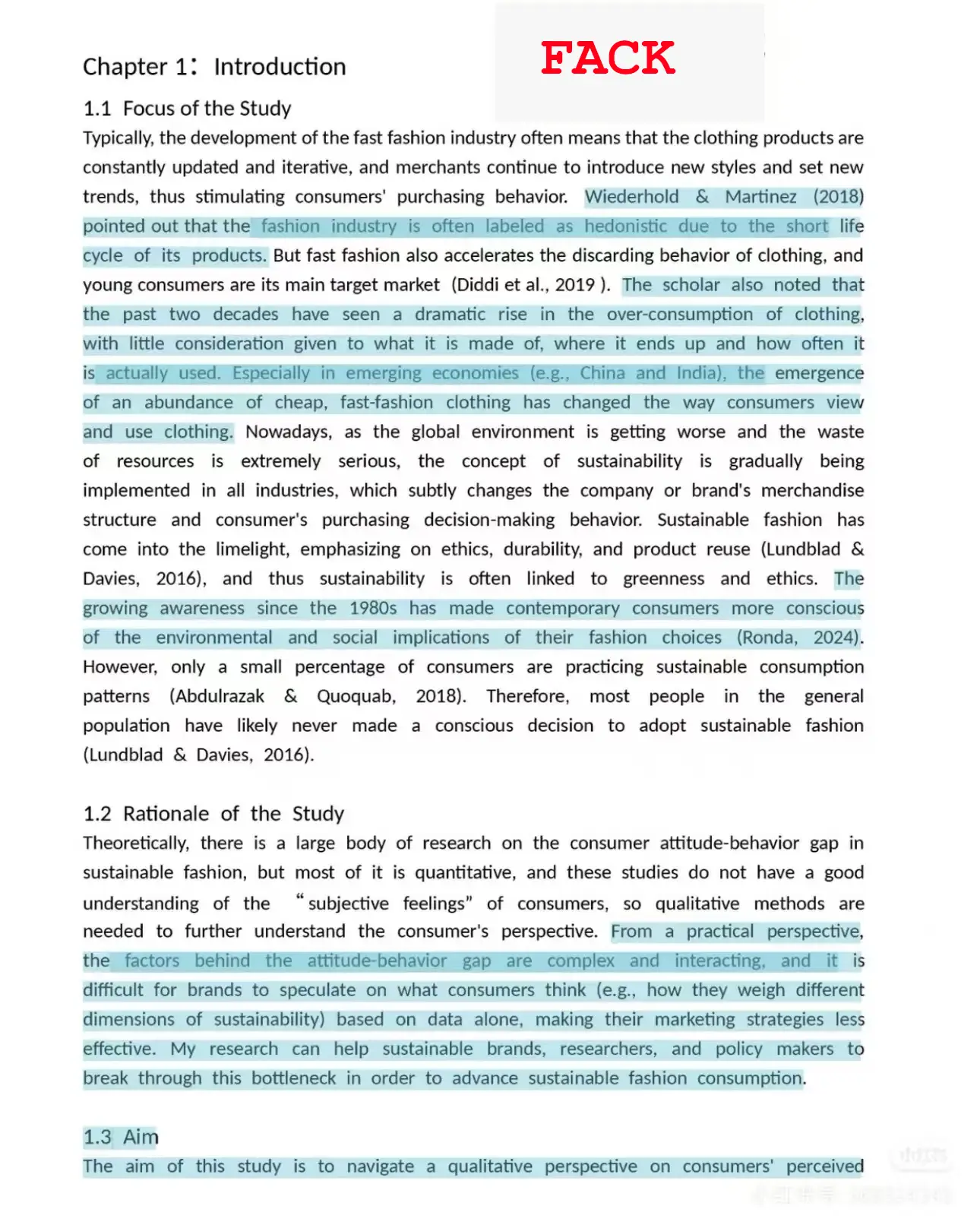
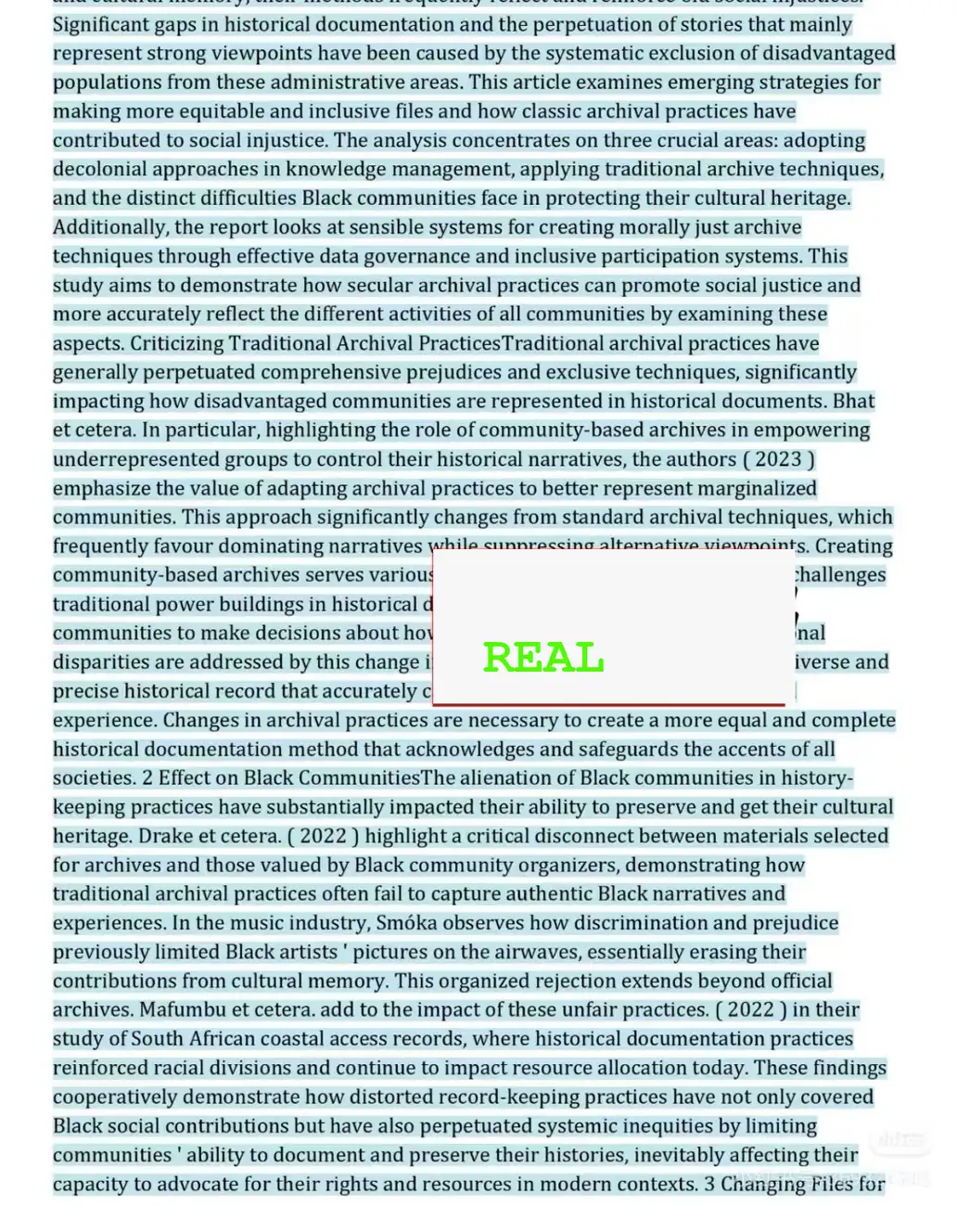
Fack report disclosure
Currently, fake reports are proliferating widely. Here, we are publicly disclosing samples of fraudulent reports that we have collected. If you have any additional leads or information, please do not hesitate to contact us.
3. Protect Your Privacy: Sanitize Before You Submit
Beyond fake reports, your paper's security is vital. Rumor has it Turnitin's system scans metadata and specific text to track where submissions are coming from.
Before you upload anything to a third party, you need to clean your document.
What to Remove
Personal Info: Student ID, Name, Email.
School Info: University name, College/Department.
Course Details: Course codes, Advisor/Professor names.
File Properties: Word docs store author info in the file properties. Clear this out before saving.
Why Bother?
Avoid Database Storage: Even if a service promises not to store your paper, removing info adds a layer of safety. If their account gets flagged as违规 (violating), all documents under that account might get pushed to the main database. If your name and school are on it, you're in trouble.
Dodging Risk Control: Turnitin analyzes submission patterns. If hundreds of papers from the same university and advisor come through one third-party account, Turnitin will flag it. Your paper could get caught in the crossfire.
4. Safety Checklist for Third-Party Checks
To keep your academic record clean, run through this list before you pay:
Verify the Channel: Pick platforms with a long track record or claimed institutional partnerships. Avoid random cheap stores.
Sanitize Your Doc: Strip out names, IDs, and school details. Clear file properties.
Confirm "No Repository": Make sure their terms explicitly state they won't store your paper in the database.
Keep Records: Save your order receipt, chat logs, and the report file. If your school questions your submission later, you have proof of your prior checks.
Final Thoughts
AI detection isn't going away. But the market for checking your work is full of traps. While you want a good AI score, don't sacrifice the authenticity of the report or the security of your paper.
Pick a reliable channel, clean your data, and know how to read a real report. Remember, passing safely is more important than saving a few bucks on a check. Stay safe out there.